The plan for the first two years was simple, and it made a few neighbours nervous. Take the stock off, put the ute away, and watch.
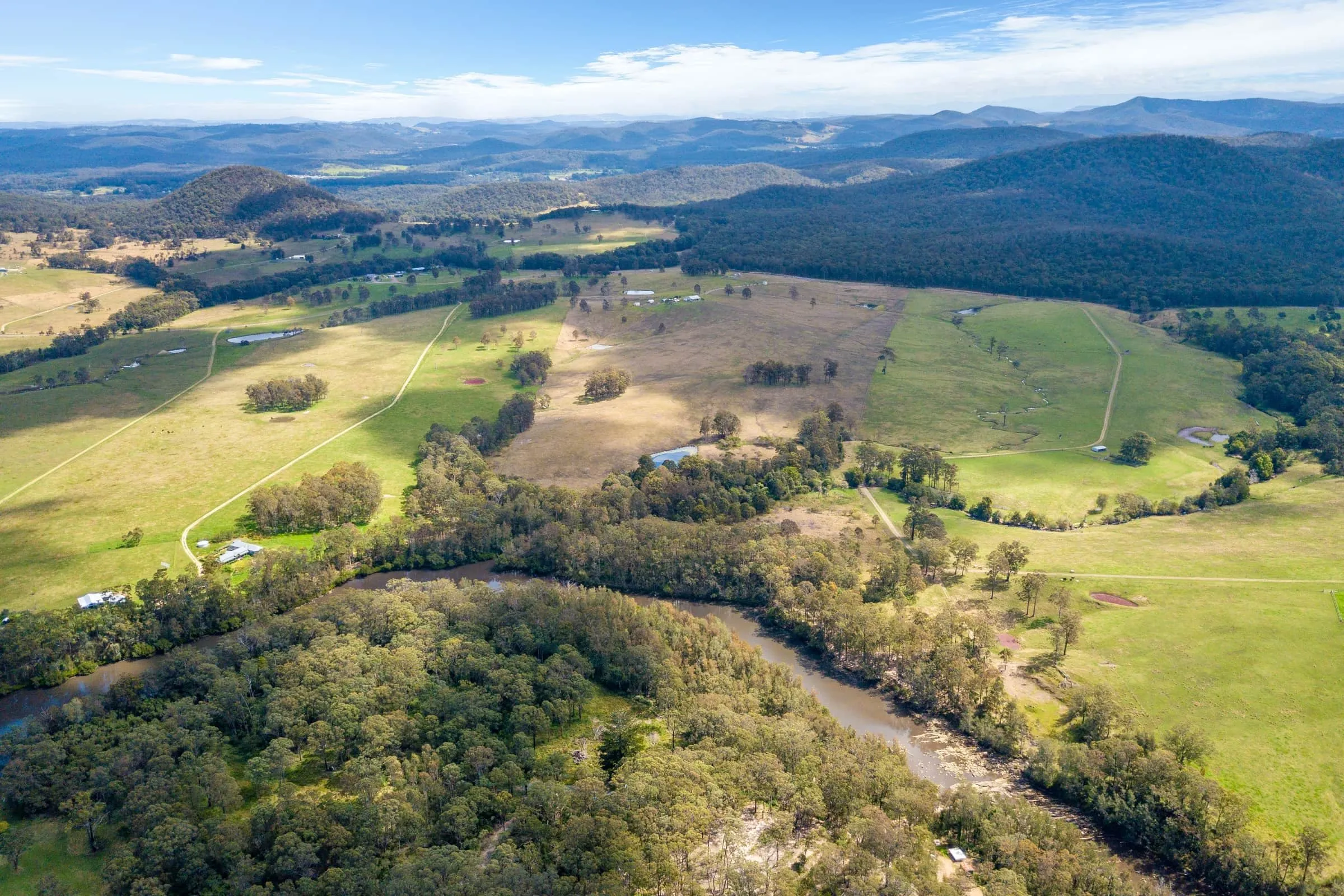
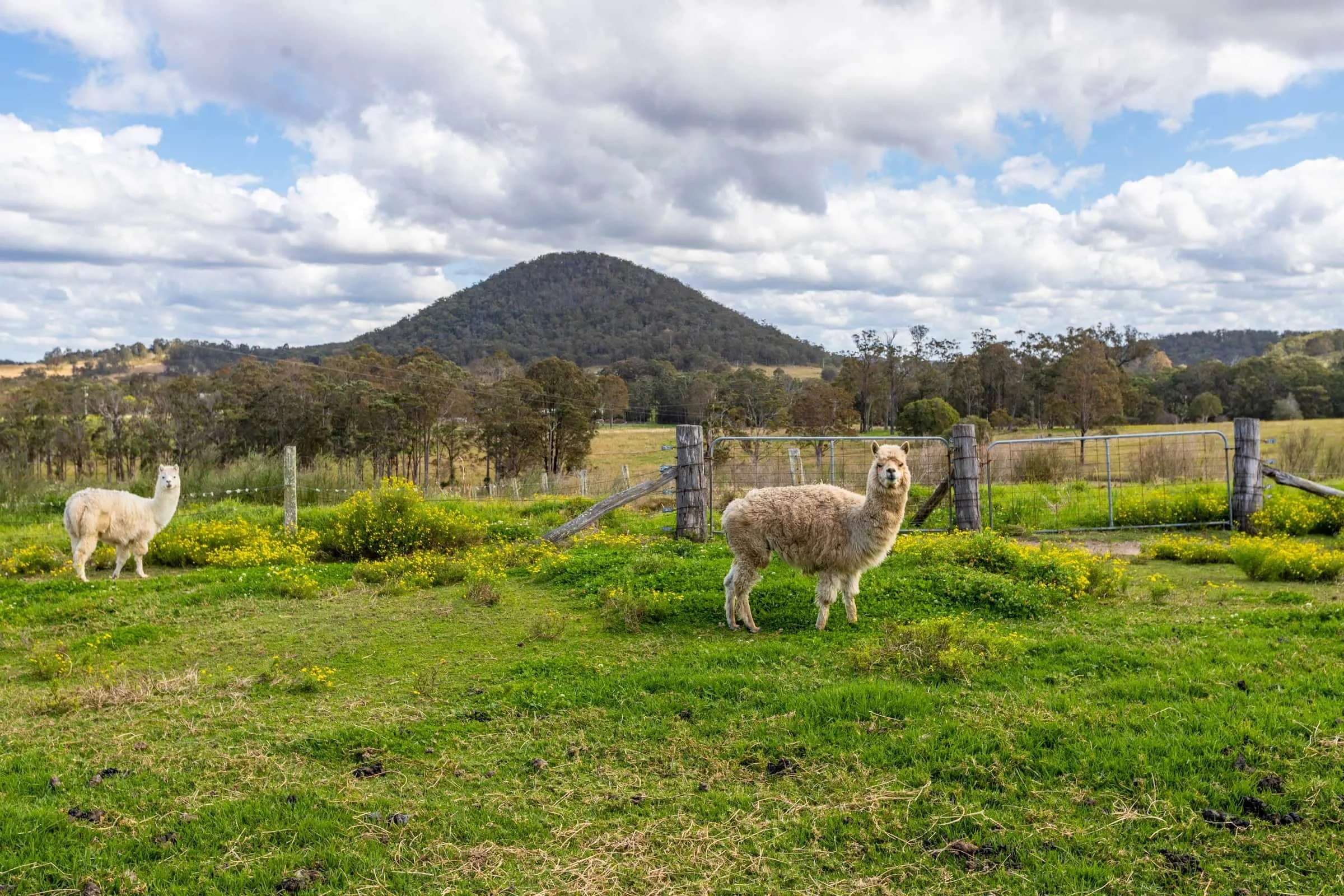
Carinya Parc had been an alpaca farm for a long time before we took it on in early 2024. Forty-two hectares, five dams, more than 400 metres of Branch River frontage, and paddocks that had been grazed to the boards for decades. We did not know the land yet. Doing something big before we understood it seemed like the fastest way to make an expensive mistake. So we rested it.
This is what two summers of rest did.
What came back without help
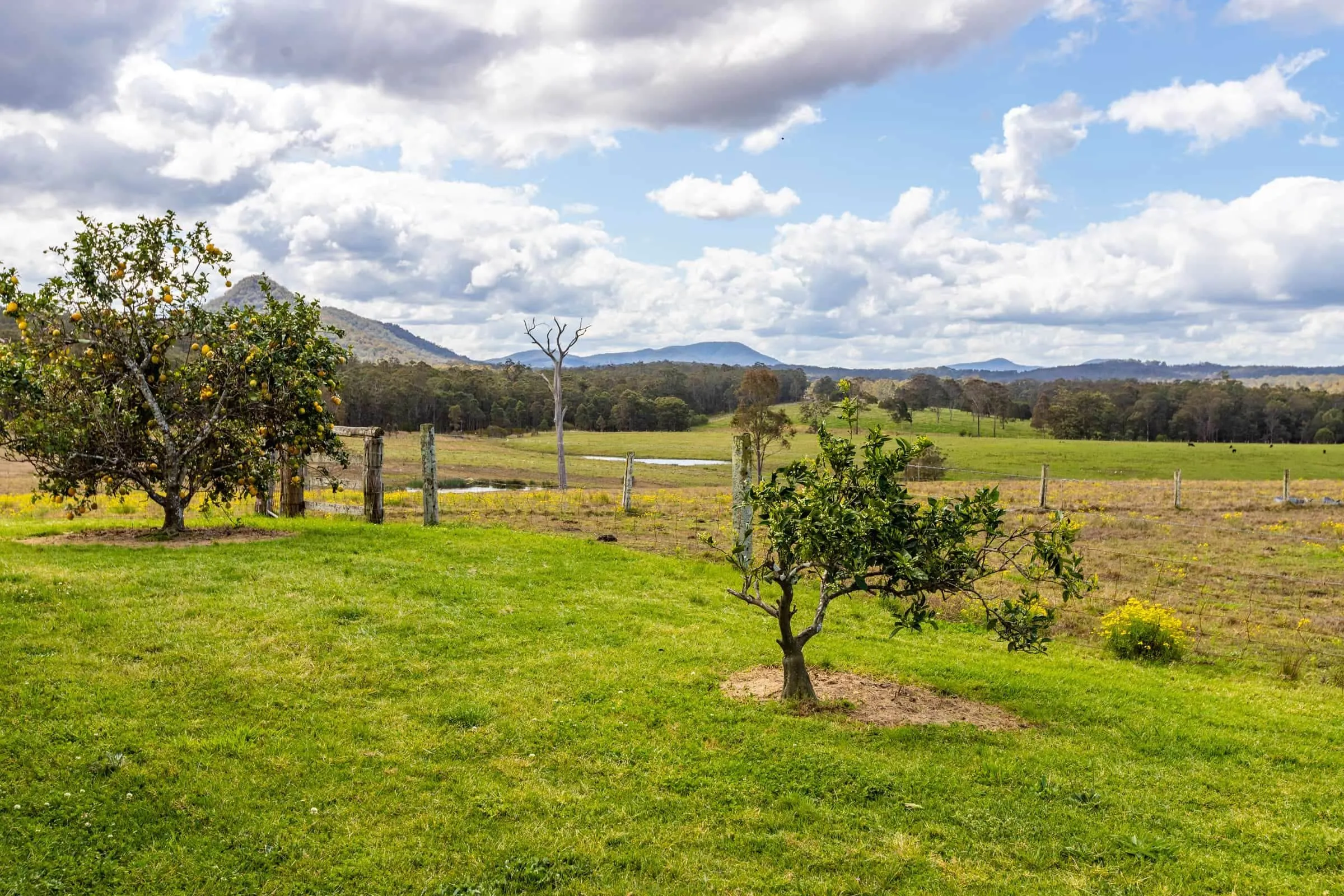
The first surprise was how fast the ridges greened up. By the end of the first spring the frost-free ridge above the homestead had knee-high native grass where the alpacas had kept it at ankle height. Kangaroo grass showed up in three spots we had not noticed it, and by this second summer it is seeding in a strip about 60 metres long along the top fence.
Weeping grass and wallaby grass are thickening in the mid-slope paddocks. Not everywhere, but in patches, and the patches are bigger than they were.
Down at the river, wattles and swamp oaks seeded themselves along about 80 metres of the bank we had written off as bare. We did not plant a single one of them. That corridor is now the section we are least worried about.
Birds arrived before the trees did. We keep a tally on the fridge. The count of species we have seen on the property went from 31 in our first winter to 47 by this spring. Wrens, a pair of wedge-tailed eagles that now circle most afternoons, and a boobook owl that has claimed the shed.
What did not
Rest is not a cure. It is a diagnostic.
The valley floor, where water sits after rain, did not recover. It went from bare to a carpet of fireweed and flatweed, with a compacted layer about 10 centimetres down that a spade bounces off. That flat was the alpacas’ favourite camp and it shows.
Lantana took the rest as an invitation. Two thickets on the eastern boundary roughly doubled in size. We now have a proper job on our hands there, and we will be honest about it: a chainsaw and a lot of Saturdays.
The riverbank in the bend below the homestead kept eroding. Rest does nothing for a bank with no roots in it. That section is where the planting starts.
The numbers we have
We said we would publish measurements, so here is the first lot. In September we pulled 24 soil cores across six paddocks, mixed them by paddock and sent them to a lab in Newcastle.
- Organic carbon ranged from 1.6% on the valley flat to 3.1% on the north-facing ridge.
- pH sat between 5.2 and 5.8 across the property. Acidic, as expected for this country.
- Phosphorus was low everywhere, very low on the flat.
- Bulk density on the flat came back at 1.55 g/cm³. That is the number behind the bouncing spade.
None of that is a result. It is a baseline. In four years we will pull cores from the same GPS points and we will publish the second set next to this one, whichever way it goes.
We also set up twelve photo points, marked with star pickets, and photographed each on the same bearing every season. The first set of photos is unremarkable. That is the point.
What rest taught us about the plan
Rest sorted the property into three kinds of country, and that sorting is now the plan.
The ridges and the mid-slopes will regenerate largely on their own. We will keep stock off until the grass is seeding thickly, then bring in a small mob of Highland cattle on a slow rotation. Nothing to plant up there yet. The land is doing it.
The valley flat needs intervention. The compaction will not fix itself in our lifetime. That is where the cover crops and the first hügelkultur beds are going in.
The river needs trees in the ground, and it needs them this coming autumn. Roots first, then everything else.
Two years of watching felt slow. Some weeks it felt like avoidance. But the plan we have now is not the plan we would have written on day one, and it is a better one. The land wrote most of it.