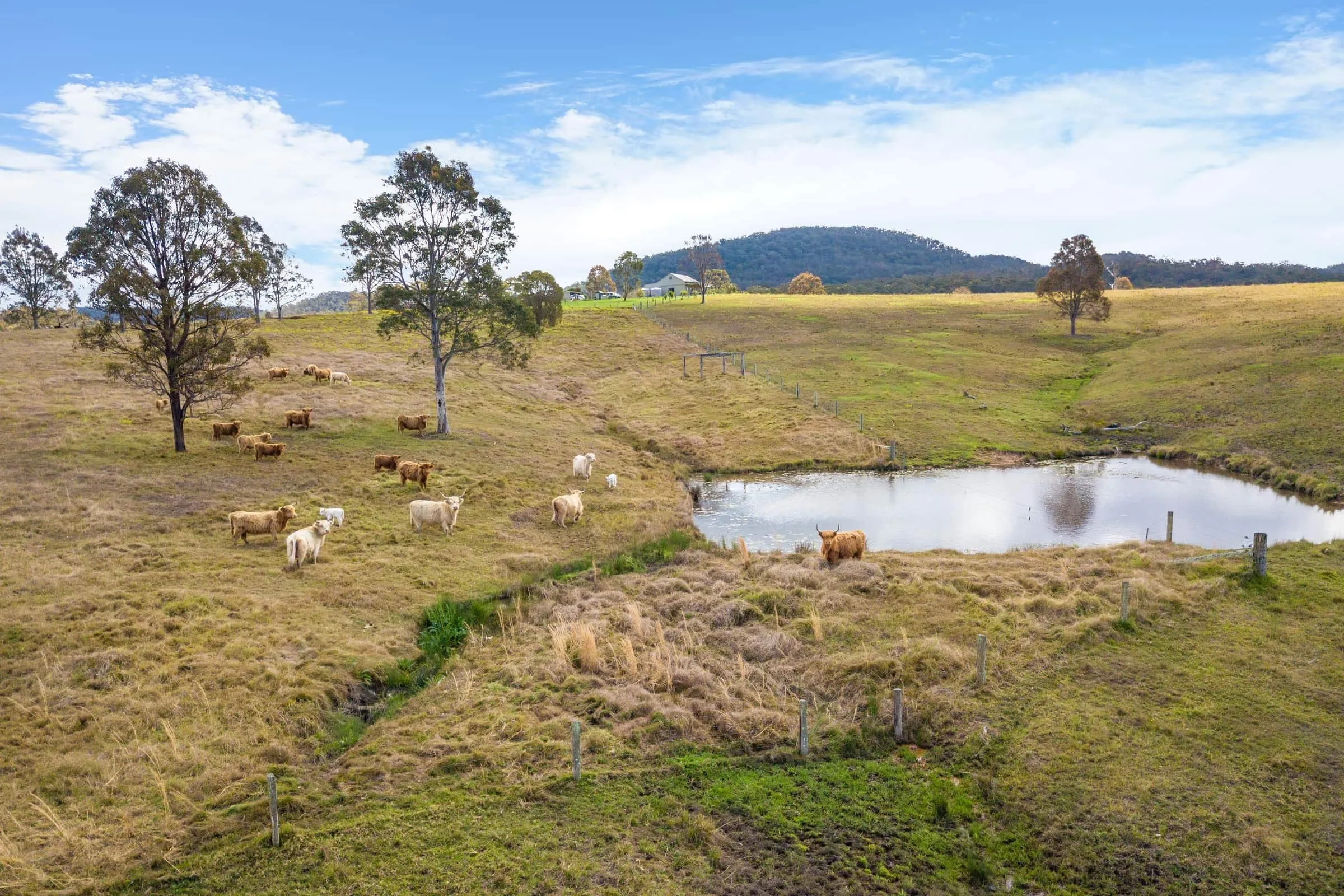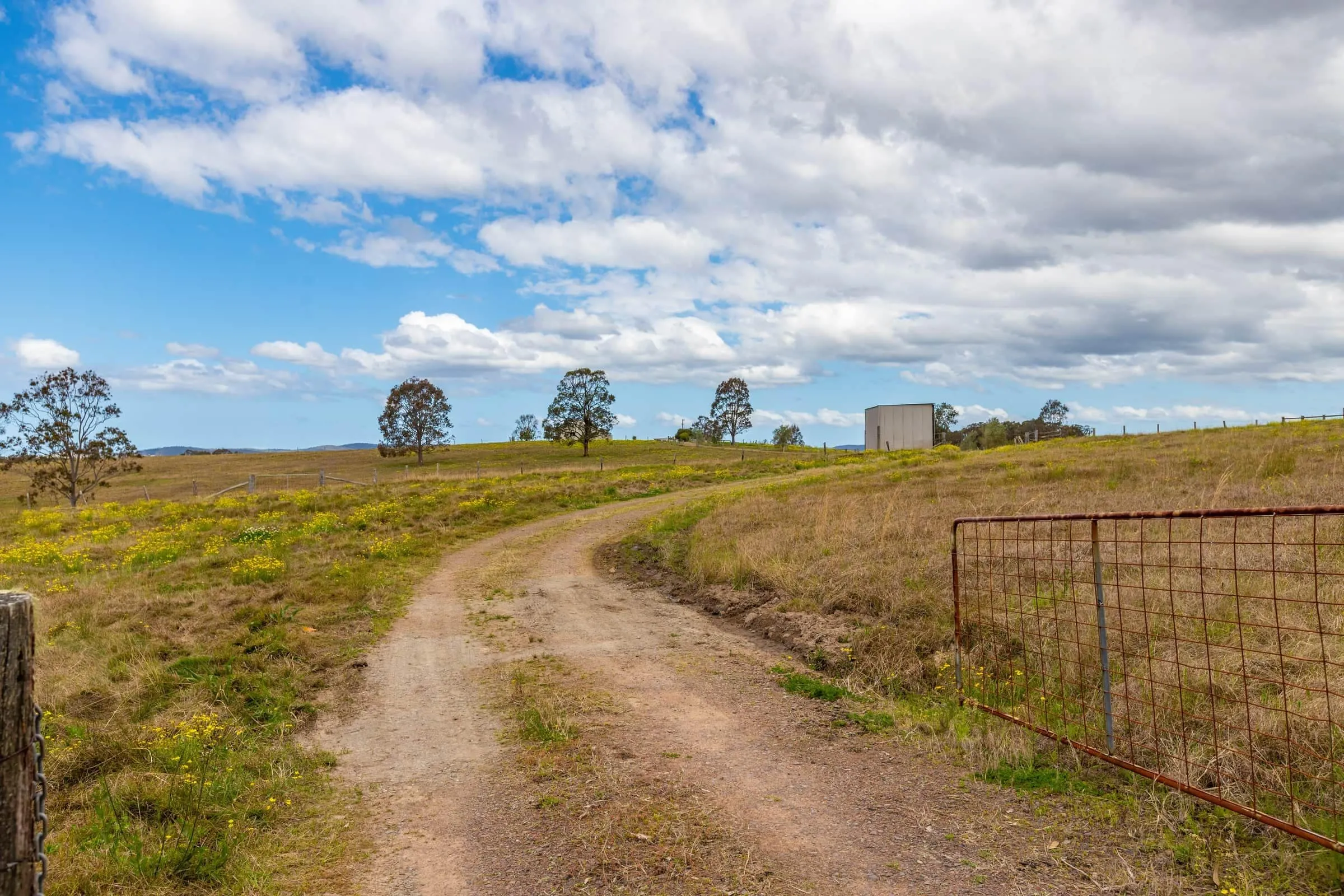
For two years Carinya Parc was a place we drove to. Friday night up the highway, Sunday afternoon back, the ute full of tubestock one way and muddy boots the other. That worked while the job was watching the land. It does not work once the job is fences, cattle and 30,000 trees.
So on the first weekend of June we packed the last of the city into a truck, and now we live here. In the shed.
The shed
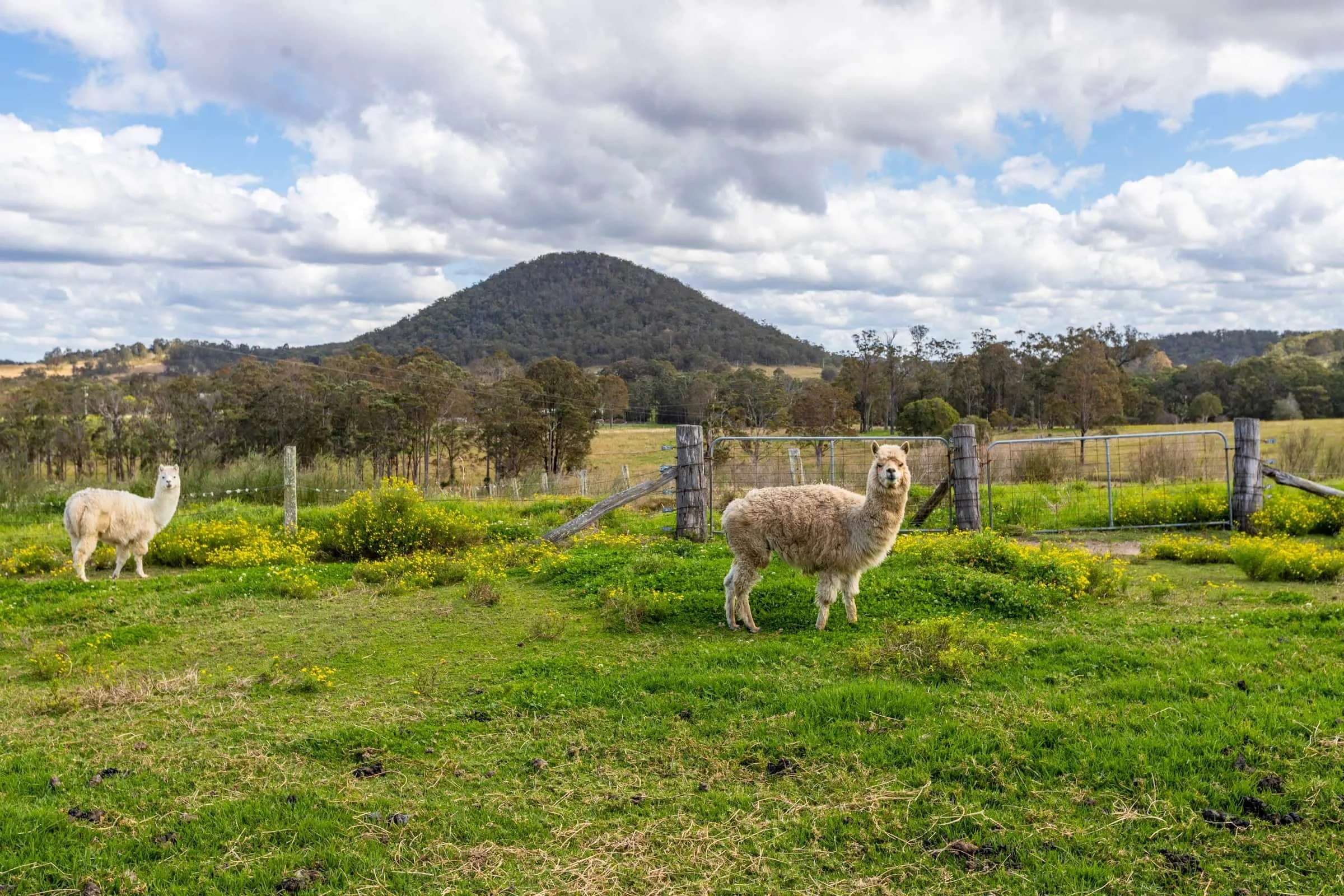
It is a Colorbond steel shed, 15 metres by 9, that the previous owners used for alpaca shearing and hay. Concrete floor, roller doors on the north side, a lean-to for the machinery. A good shed. Not, by any stretch, a house.
We chose it over building new because it is here, it is dry, and it lets us spend the money on the land first. The plan is to retrofit it as a proper home over the next two years, wall by wall, while living in it. The homestead cottage stays for guests.
The first three weeks were an education in how steel behaves when the temperature drops.
Minus two, indoors
The valley floor at The Branch gets frosts the ridges do not. The shed sits on the flat. On the ninth of June the thermometer on the verandah read minus two at six in the morning, and the one inside read four. Colorbond radiates heat out to a clear sky all night and by dawn the roof is a sheet of condensation that drips, in a steady rhythm, onto whichever bed is under the coldest purlin.
That was the moment insulation moved from “this year” to “this week”.
What we did first
We had done the reading before we moved, and the order we settled on was ceiling, then walls, then floor.
The ceiling took the first fortnight. We ran furring channel under the purlins and fitted R5.0 unfaced Earthwool batts between them, with plasterboard under that. We chose the unfaced batts on purpose. The proper fix for the condensation is a foil blanket directly under the roof sheeting, but that means taking the roof off, and the roof needs replacing anyway in a couple of years. So the blanket waits for the new roof, and in the meantime the batts and a vapour-permeable membrane are doing most of the job.
The difference was immediate. The morning after the last sheet of plasterboard went up, the inside thermometer read eleven. Same outside temperature. No drip.
The walls are next and they are slower. We are framing inside the steel with a Siniat steel stud system, which is light and straight and does not mind the damp, and we spent an evening on the internet learning how to fit noggins to steel studs, which is not something the cooking years prepared us for. Two walls are framed. The rest are a July job.
The floor is concrete and it will stay concrete this winter. Rugs, socks, and a wood heater that we salvaged from the cottage renovation and that is currently the most loved object on the property.
What full-time changed
More than we expected, and most of it is not about the shed.
We now see the place at 6am and at 9pm, in the middle of the week, in the rain. The photo points get shot on the right day instead of the nearest weekend. The two new leaks in the water line got found the day they started rather than the next Saturday. The wallabies that ate the unguarded wattles in April turn out to arrive at 5:40pm sharp, which is useful intelligence.
We also talk to the neighbours. Not in the polite-wave-from-the-ute way. The bloke on the eastern boundary has already lent us a post driver, told us where the old alpaca fence is buried in the lantana, and pointed out that our middle dam has been silting since about 2009. That knowledge does not come to weekenders.
What the kids think
They think the shed is the best house we have ever lived in, and they are not entirely wrong. There is a bike track around the machinery lean-to. There is an owl. The bus to school in Stroud stops at the gate.
They also think minus two is unreasonable, and on that we agree.
The honest bit
The shed is cold, the walls are half-framed, and there is a bucket under one corner of the roof that we are not going to explain. We moved in at the coldest and least finished point on purpose, because the alternative was another year of driving.
We will post the retrofit as it goes, with costs, because we could not find a single honest account of what it takes to make a shed a home when we were looking for one. In the meantime, if you visit in July, bring a jumper.