The Bureau said 38 degrees on the Tuesday and 39 on the Wednesday. Nobody wants to be walking fence lines in that. But it turns out heat is the honest season for water. Everything that leaks, leaks. Everything that evaporates, evaporates. And everything that is not connected to anything becomes obvious.
So we spent the week walking water instead of planting trees. Here is what we found.
The inventory
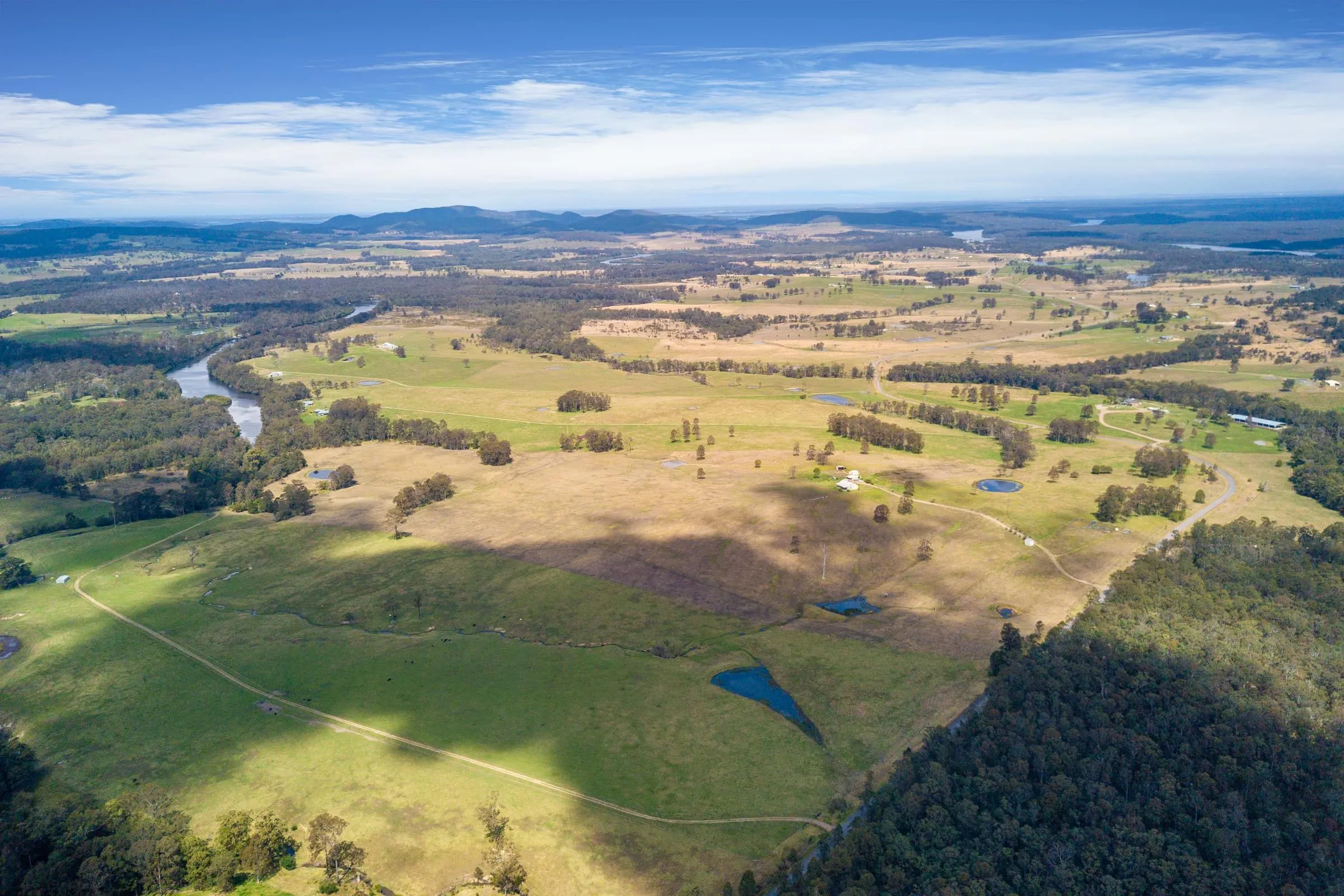
Carinya Parc came with five farm dams, four troughs and a gravity-fed poly line running from the top dam down through the middle paddocks. The previous owners built it for alpacas, which drink about a fifth of what a cow drinks, and the system shows that.
We had a map of this drawn from the driveway in our first month. It was wrong in four places. By the end of the week we had walked every line with a GPS and a can of spray paint, and the map is now right.
The tally, in the order the water moves:
- Top dam. The biggest, about 2.8 megalitres by our rough survey, sitting on the ridge and feeding everything below by gravity. Down about a metre from where it sat in October.
- Homestead dam. Small, spring-fed, and the only one that did not drop noticeably. This is the dam we know least about and it may be the most valuable.
- Middle dam. Silted badly on the inflow side. We had it in our heads as a 2 megalitre dam. It is closer to 1.2. The rest is mud and a very happy population of frogs.
- Two river-flat dams. Shallow, muddy, wide. They lose a huge amount to evaporation in weeks like this. One dropped 30 centimetres in seven days.
What was broken
The line from the top dam had two leaks, both at old joins, both underground, and both visible only because the grass above them was the greenest thing on the property. In a wet month we would never have found them. We dug both out and replaced the joins. That took an afternoon and about $40 of fittings.
The solar pump on the middle dam was dead. Not slow, dead. The panel had a crack across a third of it, which we think dates to a hailstorm we were not here for. A new panel is on order, and in the meantime the middle paddocks are being watered by a very long hose and a lot of patience.
Trough three had a float valve stuck open. The overflow had turned the ground around it into a bog roughly 8 metres across. The cows, when they arrive, would have loved it. We did not.
What the heat taught us
The gravity line works. That was the best news of the week. Once the leaks were closed, the bottom trough filled from a dam 700 metres away and 30 metres uphill with no pump and no power. The previous owners knew what they were doing there.
The river flat dams are the wrong shape. Wide and shallow means a big surface for the sun. When we eventually reshape them, deeper and smaller is the answer, and a ring of trees on the north and west side would cut the wind across the water. That is a machinery job for a drier year, and it is on the list.
The homestead spring is the thing to protect. We had been thinking of that dam as a pond to look at. After this week it is the emergency reserve, and the first thing we will fence stock away from.
Numbers
We now have a starting gauge on each dam: a star picket driven in at the water’s edge on 12 January, with the level marked. From here on we photograph and measure each one on the first of the month. In a year we will know how much water this property actually holds through a summer, rather than how much we hope it does.
Total drop across the five dams for the week: somewhere around 600,000 litres, most of it to evaporation. That number is a rough one. We will get better at it.
The takeaway
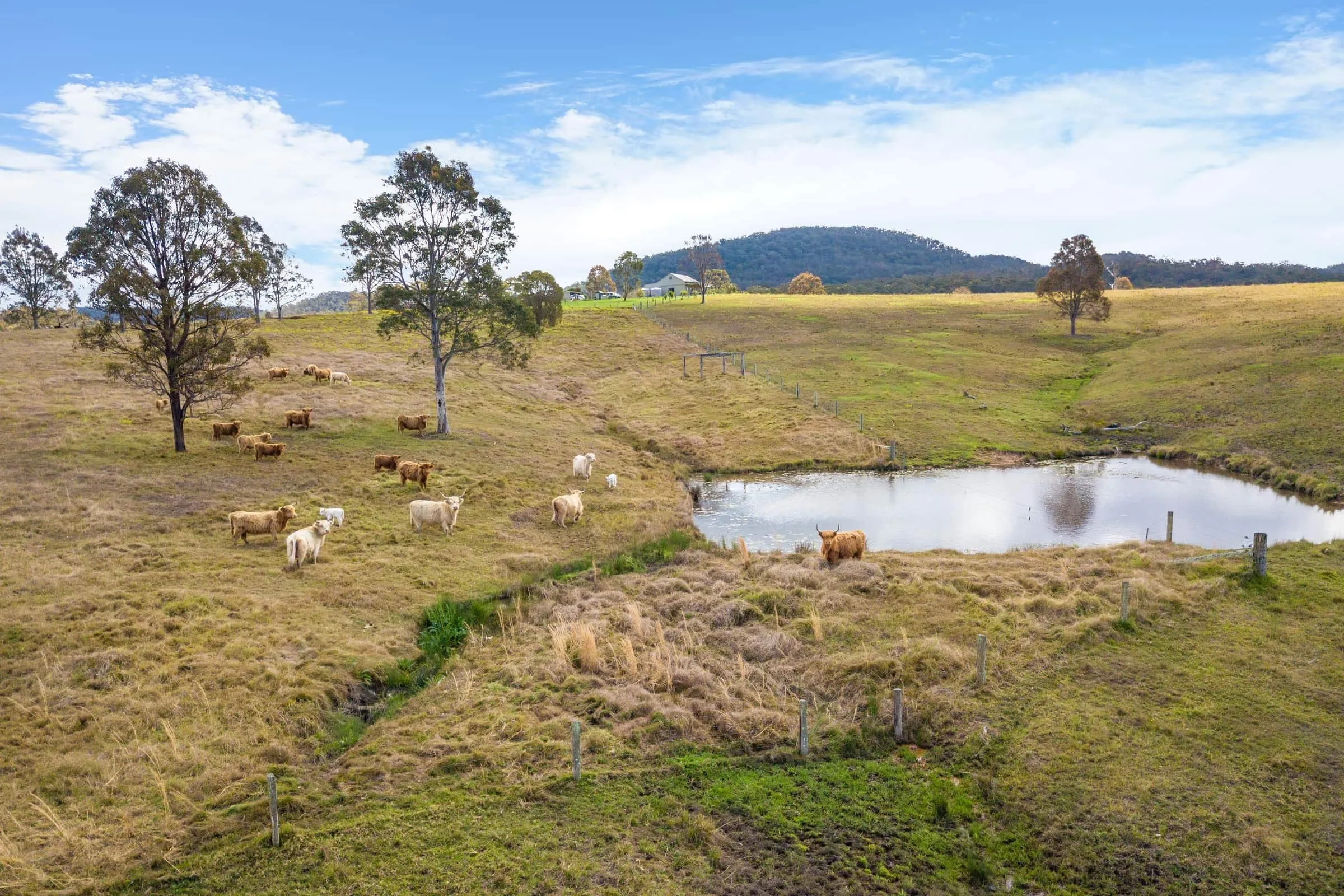
We nearly did not do this. There is always a more interesting job than walking a poly pipe in the heat. But we are about to plant thousands of trees and eventually run cattle on a system built for alpacas, and it would have been easy to find out about those two leaks in the middle of a dry March with a mob of thirsty Highlands standing at an empty trough.
Walk the water before you need it. Preferably not at 39 degrees.