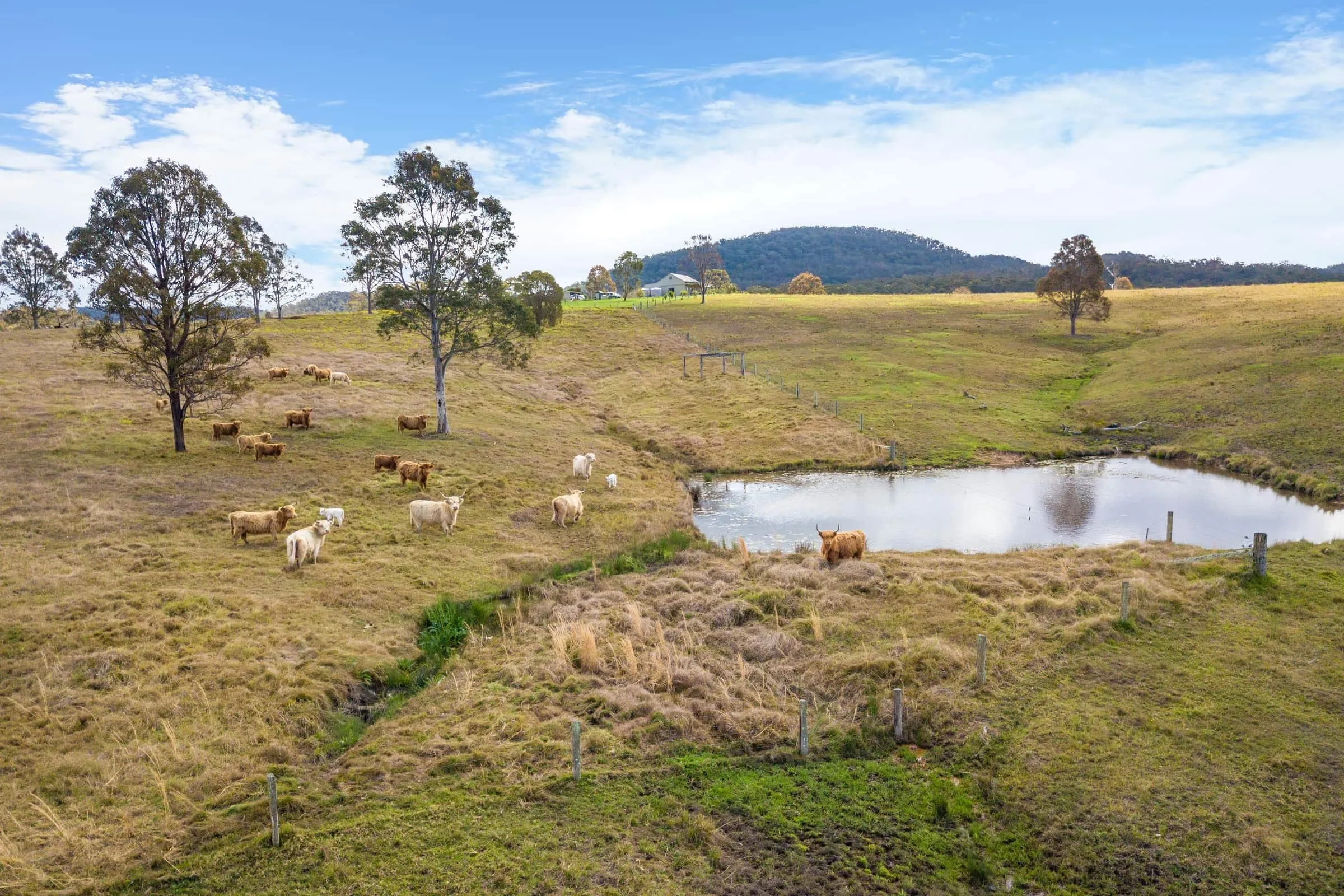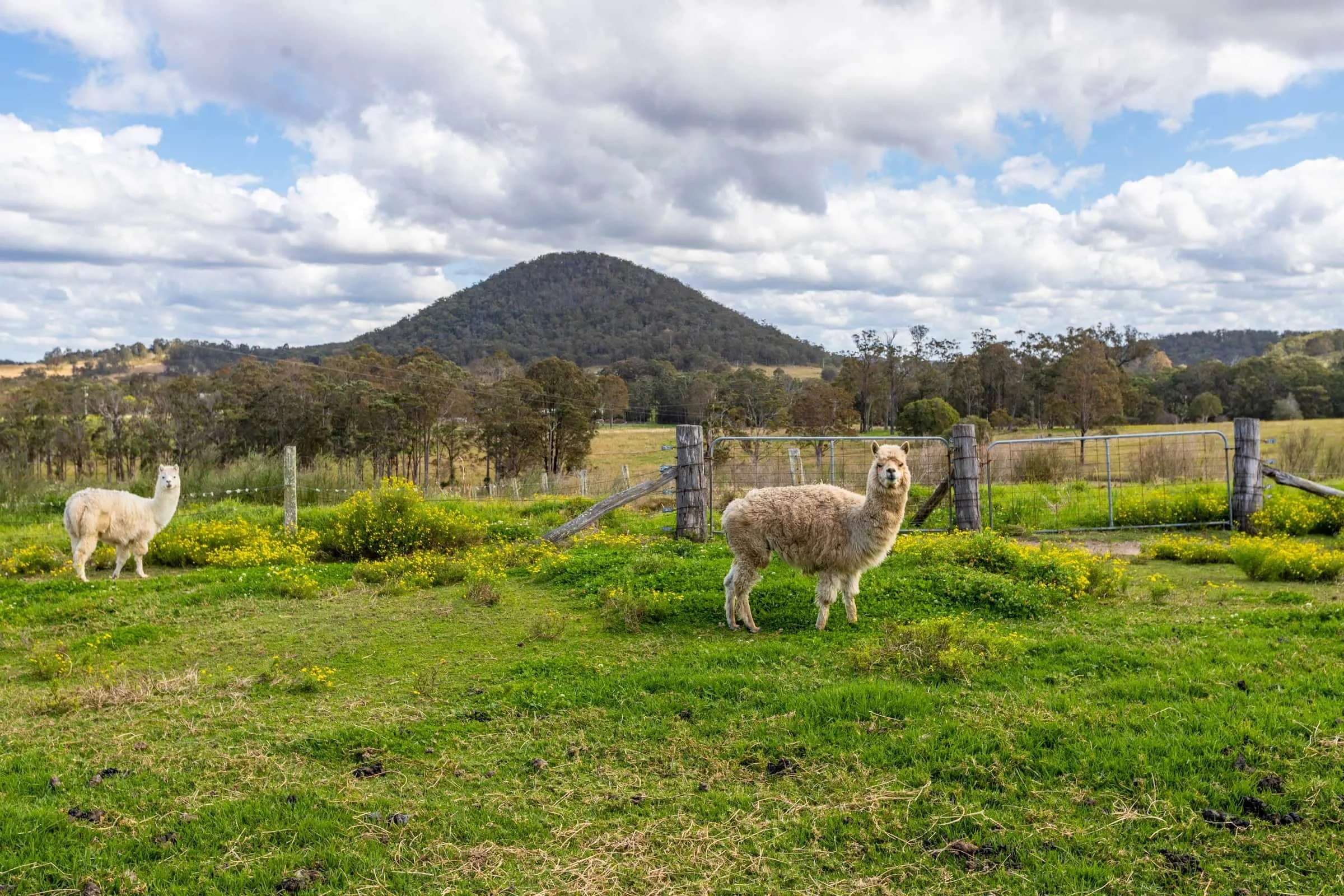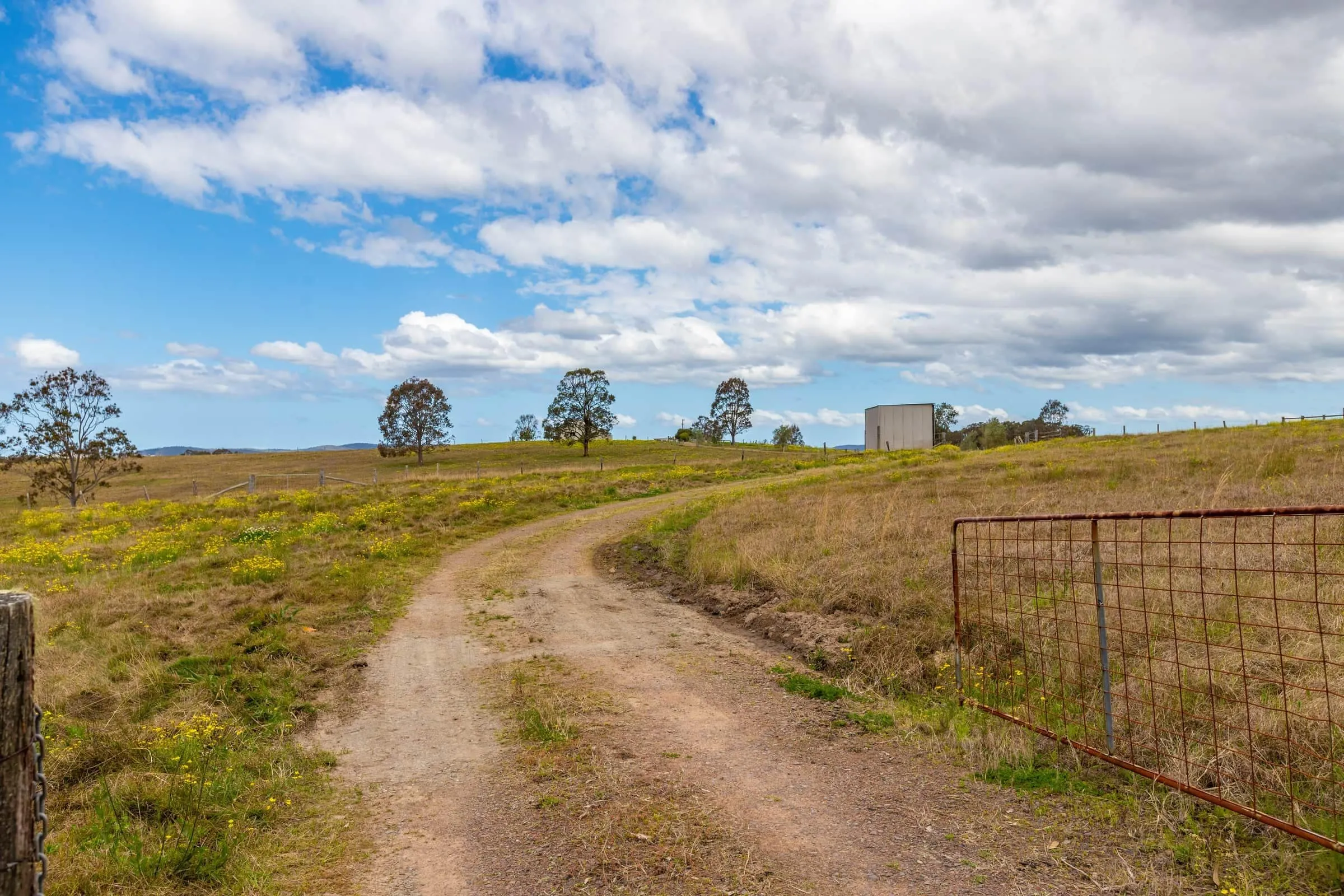
The old fences on Carinya Parc were built for alpacas, which is to say they were built for animals that stand politely behind four strands of plain wire and think about it. A Highland cow does not think about it. So before the mob arrives next autumn, the boundary and the first rotation paddocks needed to be rebuilt.
Winter is the season for that here. The ground is soft enough to drive posts and firm enough to drive on, the grass has stopped, and it is not 38 degrees. We started in the second week of June, the week we moved in, and we have just strained the last wire on the ridge.
What we built
- 740 metres of boundary along the eastern side, replacing the worst of the alpaca fence. Five-wire, two barbed, on treated pine posts at 4 metres with steel pickets between.
- 660 metres of internal fencing on the north ridge, dividing it into the eight rotation paddocks we talked about in May. Three-wire electric on pickets, with a permanent hot wire down the spine. This is the fence that makes the grazing plan possible.
- Nine strainer assemblies, box-strained, because this country is not flat and a fence on a slope is only as good as its corners.
- Four new gates, all 3.6 metres, all hung so a ute and trailer can get through without reversing. We learned that from the old gates, which were not.
One point four kilometres in eleven weeks, most of it two people and a borrowed post driver. We are not fast. We are done.
What we found
Fencing is archaeology. About 20 metres into the eastern lantana thicket we found the original boundary fence, split posts and rusted wire, probably 60 years old, running exactly where the survey said the boundary was and about 6 metres inside where the alpaca fence had been put. The neighbour had told us it was in there. He was right to the metre.
We pulled about 600 metres of old wire out of that thicket and the creek line over the winter. Some of it was three fences deep. It is in a pile behind the shed waiting for the scrap metal run, and we have stopped counting the tyre punctures it caused before it got there.
We also found a wombat burrow directly under the line we had pegged for the eastern boundary, and moved the fence. There are things you do not argue with.
What it cost
We said we would show the working, so here it is, rounded.
- Posts, pickets and strainers: about $4,200
- Wire, barbed and plain, and electric tape: about $1,900
- Gates and hardware: about $1,400
- Energiser and earth stakes: about $650
- Fuel, fittings and a replacement post-driver spring after the corner post incident: about $300
Roughly $8,500 for 1.4 kilometres, or about $6 a metre in materials. Labour was ours, and one very good neighbour’s for two Saturdays, paid in beef we do not have yet.
A contractor quoted $14 a metre for the boundary run. For the boundary that would have been fair. For the internal electric it is not, and doing it ourselves meant we now understand every corner of it.
The corner post
Strainer six, on the ridge, at the corner of paddocks three and four. We drove it in, boxed it, strained 200 metres of wire off it in each direction, and stood back to admire it. Then we looked at the map.
It was 11 metres from where it should have been. Not because of the ground. Because one of us read the wrong picket.
Pulling a boxed strainer out of clay is a job. We left it, ran the paddock line off it anyway, and paddock three is now 11 metres narrower than paddock four. The cattle will not care. We will, every time we walk past it.
What is left
The western boundary and the river frontage are still alpaca fence and will be for another year. The river frontage will need something different anyway, set back from the bank to keep stock out of the planting.
The eight ridge paddocks are ready. The energiser is on. The first thing to touch that hot wire was, inevitably, one of us.
Next month is spring, and spring is trees. The wire can rest.